What is Heat Reflective Paint
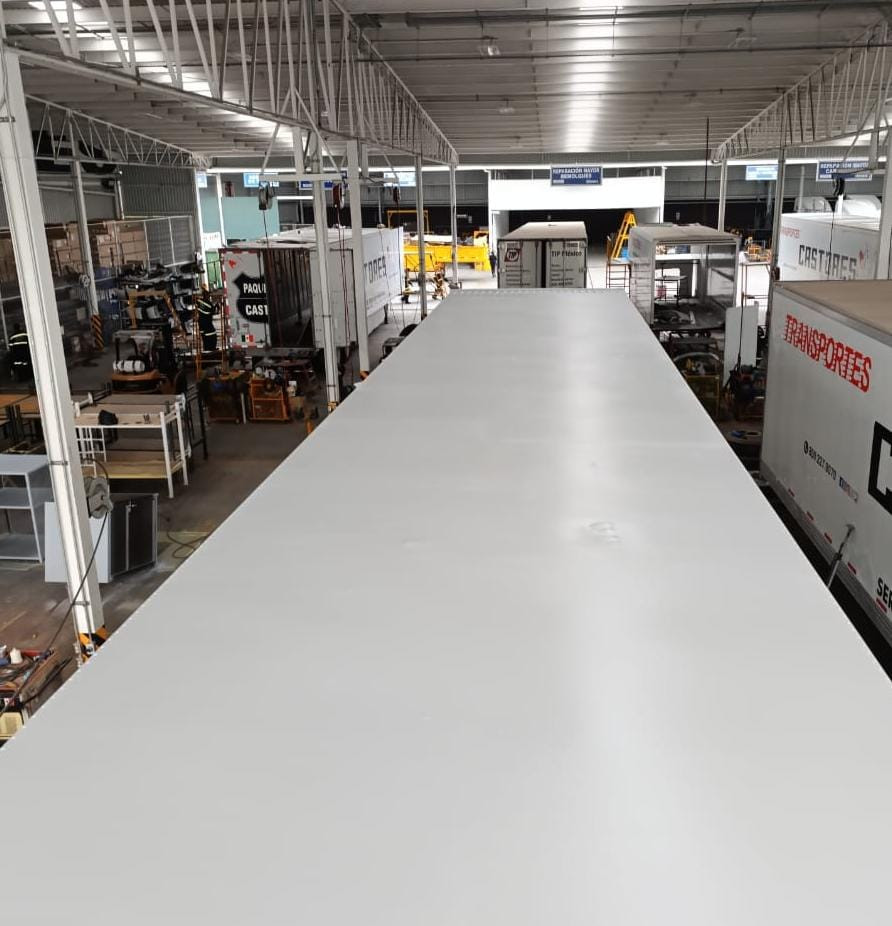
As temperatures rise and energy costs climb, more building and vehicle owners are turning to heat reflective paint to cut indoor heat and lower cooling bills. Unlike standard paint, which absorbs solar energy and transfers it inward, heat reflective paint is specially formulated to bounce sunlight and infrared radiation away from the surface it's applied to.
That single difference has a real impact on comfort, energy use, and long-term wear — which is why it's become a go-to solution for commercial roofs, RVs, food trucks, and metal buildings alike.
What Is Heat Reflective Paint?
Heat reflective paint is a high-performance coating designed to reflect both visible sunlight and infrared radiation instead of absorbing it. By keeping that energy from ever converting into heat on the surface, it reduces surface temperatures and prevents the heat buildup that drives up cooling costs and accelerates material wear.
It's sometimes called thermal reflective coating or reflective roof coating, but the goal is the same: keep surfaces — and whatever's underneath them — cooler.
How It Works
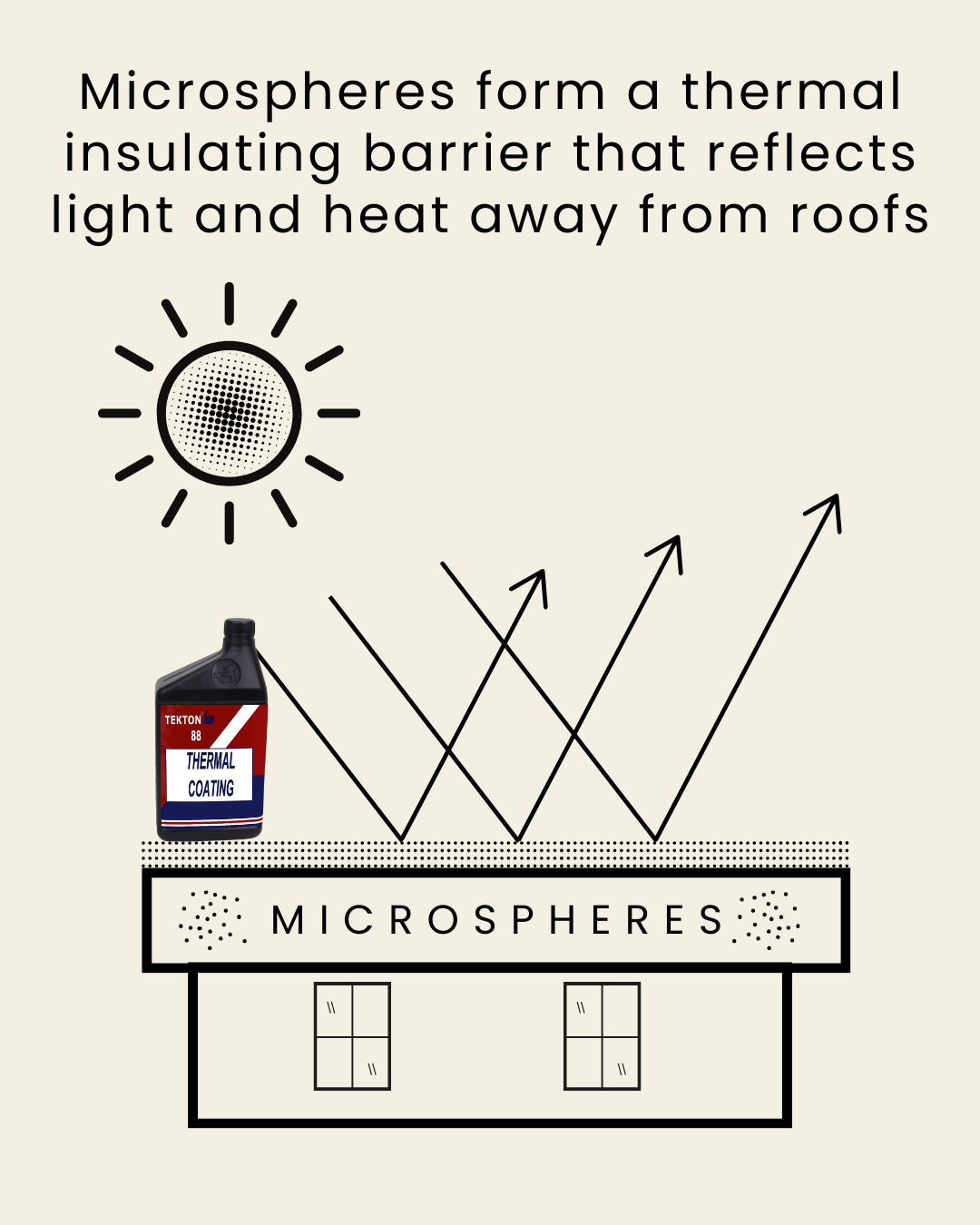
Instead of soaking up solar energy the way conventional paint does, this coating reflects it back before it can transfer into the surface underneath. As a result, roofs, walls and vehicle exteriors coated with it stay noticeably cooler under direct sun, which in turn reduces thermal stress on the material and improves comfort inside the building or vehicle below.
That reflectivity typically comes from ceramic microspheres or similar additives suspended in the formula. Those microspheres scatter incoming radiation rather than letting it pass through and heat the substrate — which is also why it tends to outperform simple "light-colored" paint, even though both reflect some visible light.
Benefits
- Lower surface and interior temperatures — less heat transfers into the space below
- Reduced cooling costs and energy savings — air conditioning systems run less to compensate
- Extended lifespan of roofs and building materials, since less thermal expansion and contraction means less cracking, warping, and seam failure over time
- Protection against UV degradation, which otherwise breaks down roofing materials and paint finishes
- Lower carbon footprint — cooler buildings and vehicles need less air conditioning, which means lower emissions along with lower utility bills
Heat Reflective Paint vs. Regular Paint and Cool Roof Coatings
Not all "cool" coatings perform the same way. Here's how it compares to the alternatives:
Regular paint Reflects little to no solar energy — its main job is color and surface protection. Absorbs heat and transfers it into the surface below, and fades or chalks over time under UV exposure.
Standard cool roof coating Reflects visible light, which helps to a degree. Offers moderate durability and is typically better suited to lighter residential use than sustained industrial or commercial heat exposure.
Heat reflective paint (e.g. Tekton® 88) Reflects both visible sunlight and infrared radiation, and adds thermal insulation on top of reflectance. Engineered for long-term durability on roofs, metal structures, vehicles and other surfaces with heavy, sustained sun exposure.
Where a basic cool roof coating mainly addresses visible light reflectance, this type of coating is formulated to also block infrared radiation and slow heat conduction through the surface — which matters most on metal roofs, storage tanks and vehicles that see direct, sustained sun exposure.
In short, if a surface takes direct sun and the heat underneath it is a problem, it's worth considering.
Where It's Used
- Commercial and flat roofs
- Refrigerated trucks and trailers
- RV and camper roofs
- Exterior walls
- Ambulance roofs
- Food truck roofs
- Metal structures and warehouses
- Concrete surfaces and storage tanks
- Firewalls and engine compartments
- Shipping containers
- Garages, sheds, and pet houses
- Horse trailers
- School buses
How It's Applied
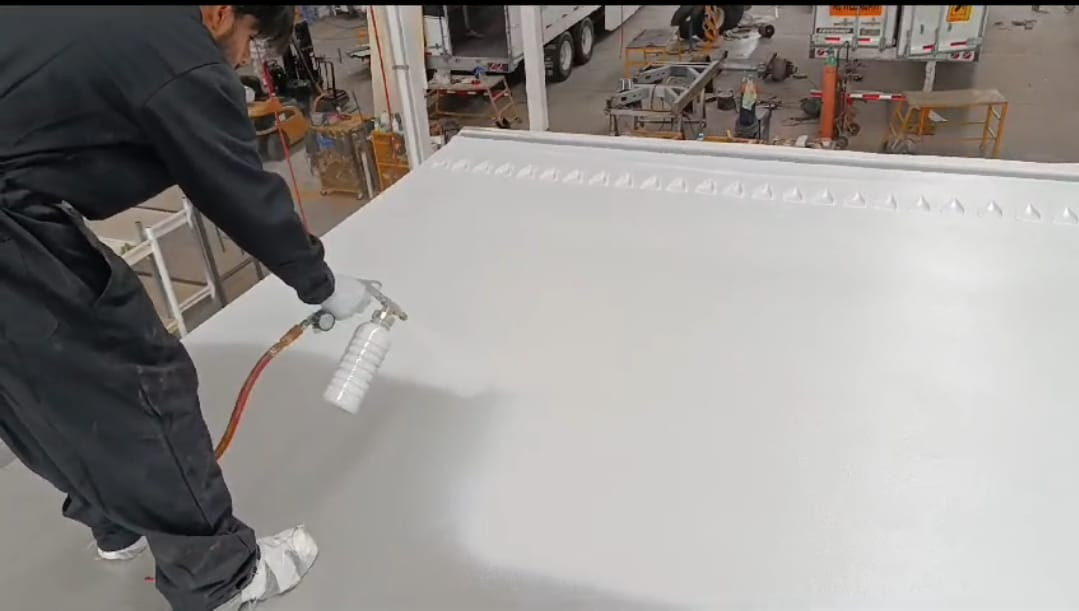
Heat reflective paint is typically spray- or roll-applied in one or more coats, depending on the surface and desired thermal performance.
Because it's water-based and low-odor, it's workable in occupied buildings and enclosed spaces without the ventilation concerns of solvent-based coatings.
For a full walkthrough of prep, coverage rates and cure times, see our guide to applying TK88 Thermal Coating.
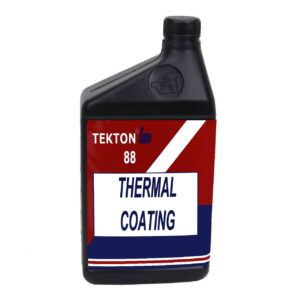
Tekton® 88 Thermal Heat Reflective Paint
Stands up to corrosion, UV, and temperature changes.
Tekton® 88 is also a buildable coating — each additional coat adds thickness, so you can dial in the level of thermal protection a surface needs rather than being locked into a single-layer result. Applying two or three coats builds a thicker barrier and stronger reflective performance than a single pass, which makes it easy to scale coverage up for roofs or surfaces with heavier heat exposure.
For use on:
- Flat, metal, or concrete roofs
- Exterior walls
- Garages, pet houses, sheds
- Roofs of campers, RVs, trailers & buses
- Roofs of food trucks
- Ambulance roofs
TK88 is a one-component coating that insulates, protects, and reflects:
- Non-flammable
- Water-based
- Non-toxic
- Easy to apply
- Fast drying
- Excellent solar reflectivity
- Buildable — additional coats increase thickness and protection
- Thermal conductivity: k = 0.049 W/mk
- Can be painted after curing
- UV resistance
- Low odor